
Ensuring fair outcomes in a casino platform is a cornerstone of building trust between players and operators. In an environment where monetary stakes are involved, perceived fairness is not merely a preference; it is a requirement. Players need assurance that the games they participate in are governed by transparent rules, unbiased algorithms, and reliable randomization processes. Without this, confidence in the platform erodes, leading to lower engagement, negative word-of-mouth, and a damaged reputation that can be difficult to recover from. A platform committed to fairness demonstrates its integrity through multiple channels, including robust regulatory compliance, certified random number generators, transparent payout systems, and responsive customer support that addresses concerns promptly and effectively.
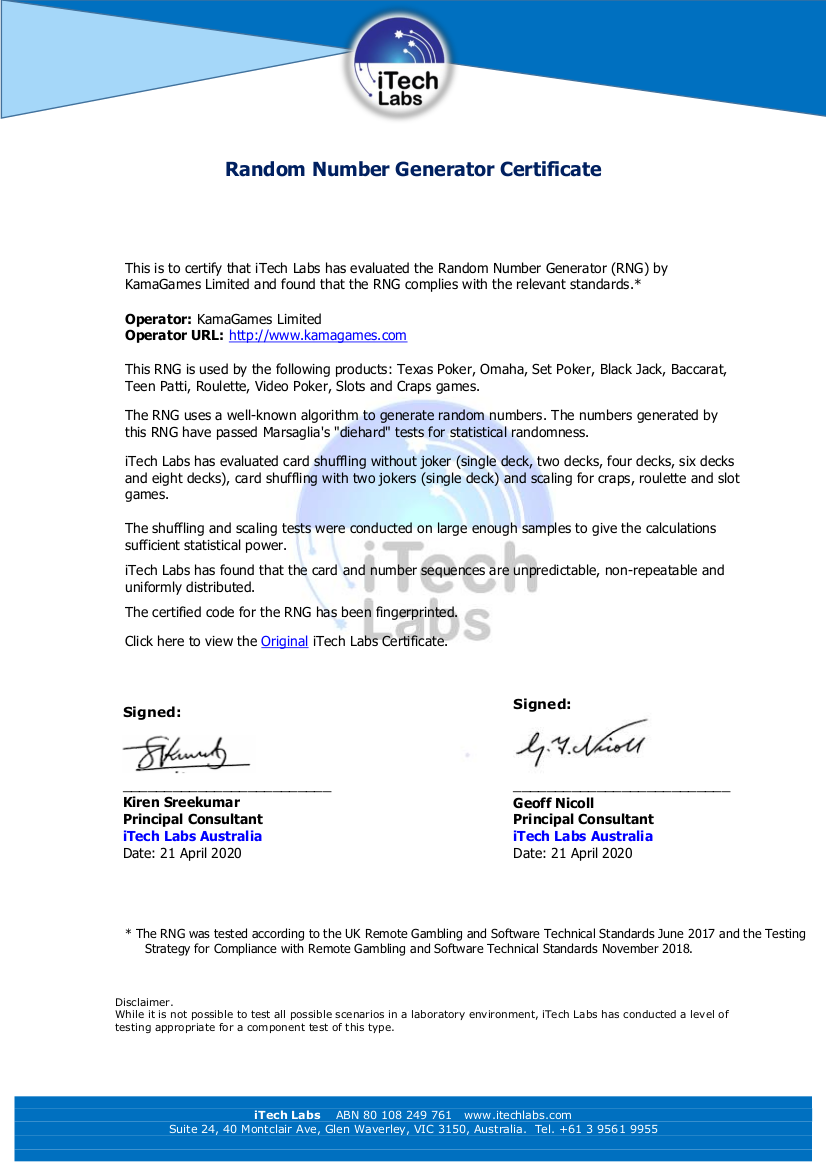
The backbone of fair gaming is the random number generator (RNG). RNGs ensure that the outcomes of games are unpredictable, independent, and free from manipulation. A certified RNG guarantees that each spin of a slot, deal of a card, or roll of a dice is genuinely random, creating an even playing field where every player has an equal chance of success based on the game’s inherent probabilities. Licensing authorities often require independent audits of these systems, reinforcing the platform’s commitment to fairness and accountability. By adhering to such standards, the platform signals to its users that the games are not only entertaining but also trustworthy.
Transparency is another vital aspect of fair outcomes. Casinos that openly display return-to-player (RTP) percentages, house edge information, and game rules equip players with the knowledge to make informed decisions. When users understand the mechanics and odds, they feel empowered rather than exploited. This transparency also extends to transaction processes, such as deposits, withdrawals, and bonus eligibility. A clear, well-documented process reduces the potential for disputes and enhances the perception of fairness, creating an environment where players can engage without suspicion or hesitation.
Regulatory compliance is integral to supporting fair outcomes. Licensed casinos must adhere to strict standards set by governing bodies, ensuring games are fair, secure, and responsible. These regulations often include requirements for periodic auditing, responsible gambling measures, and data protection protocols. By maintaining compliance, a casino demonstrates its willingness to operate under external scrutiny, which further reassures players that the platform prioritizes fairness over exploitation. Additionally, compliance with international standards can broaden a platform’s reach, attracting a more diverse user base that values security and trustworthiness.
Another dimension of fair outcomes involves ethical game design. Games should be constructed with balanced odds and predictable payout structures, avoiding manipulative mechanics that might pressure players into excessive wagering. Ethical design also encompasses clear communication about bonus terms, wagering requirements, and game volatility. When players perceive that the platform designs experiences with fairness in mind, they are more likely to engage repeatedly and recommend the service to others. Over time, this ethical stance fosters long-term loyalty, which is invaluable in a competitive industry.
Technological security also supports fairness. Platforms that implement advanced encryption, secure servers, and rigorous anti-fraud measures protect both the integrity of the games and the players’ assets. By ensuring that no external manipulation or internal tampering can affect outcomes, the platform maintains a level playing field. Cybersecurity breaches not only jeopardize financial safety but also compromise perceived fairness. A robust technology framework reassures players that their actions and results are accurately reflected without interference, which is essential for maintaining confidence in the platform’s reliability.
Customer support serves as a bridge between technical fairness and user perception. Even with perfectly designed RNGs, transparent RTPs, and secure systems, misunderstandings and disputes can arise. Responsive, knowledgeable support teams can clarify doubts, investigate concerns, and resolve issues efficiently. This human element reinforces the objective fairness of the platform with subjective reassurance, creating a holistic environment where players feel protected and respected. The ability to address complaints quickly and transparently strengthens trust, ensuring that users believe the outcomes they experience are legitimate.
Fairness also extends to responsible gambling practices. Platforms that implement tools for self-exclusion, deposit limits, and playtime monitoring demonstrate a commitment to player welfare. By helping users manage their behavior, casinos avoid situations where individuals might feel exploited or unfairly disadvantaged. Responsible gambling measures contribute indirectly to fair outcomes by ensuring that all players participate on an equal footing, without succumbing to compulsive behaviors that could skew engagement and perception.
Social proof and reputation management further reinforce fairness. Positive reviews, independent certifications, and visible adherence to ethical standards communicate to potential users that the platform is trustworthy. Word-of-mouth and community feedback can either validate or undermine perceptions of fairness, so maintaining a strong reputation is both a marketing and operational imperative. Casinos that consistently deliver fair outcomes earn loyalty and advocacy, which in turn attracts new users who value integrity.
Ultimately, fair outcomes are about more than just mechanics; they are about trust, transparency, and ethical stewardship. A casino platform that prioritizes fairness ensures that every player feels confident, informed, and protected. This commitment builds long-term engagement, supports sustainable growth, and elevates the platform’s standing in a crowded marketplace. Fairness is not a one-time achievement but a continuous process that encompasses technology, compliance, design, security, support, and player welfare. By integrating these elements, a casino platform not only fulfills regulatory requirements but also cultivates an environment where users can enjoy games with confidence, knowing that outcomes are genuinely unbiased and that their participation is respected at every level.
In a digital age where alternatives are abundant and trust is fragile, platforms that demonstrate unwavering commitment to fair outcomes differentiate themselves significantly. Players increasingly seek experiences where the rules are clear, the technology is reliable, and their interests are protected. Casinos that meet these expectations thrive, as they foster user satisfaction, loyalty, and advocacy. By supporting fair outcomes, the platform strengthens its ecosystem, promotes responsible engagement, and establishes a reputation as a safe, equitable, and trustworthy destination for gaming enthusiasts.







Leave a Reply